A few years ago, at a professional development conference, I learned a strategy called “Quote, Quote, Mingle” from my middle school instructional coach. This strategy helps students gain knowledge by having conversations with their peers based on what they read. The more people you talk to, the more information you […]
Read More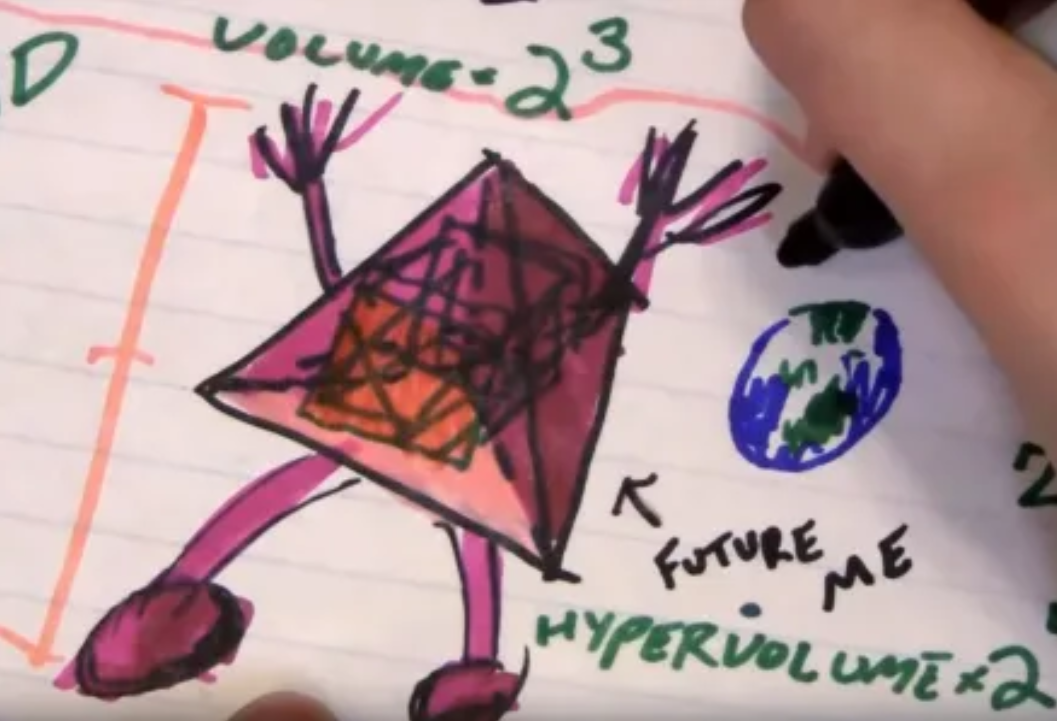
Using Drawing as a Powerful Learning Tool
I tell my students at the beginning of the school year that science is a descriptive discipline. The goal of scientists is to observe phenomena and attempt to accurately communicate what we observe. There is so much beauty in the world that we seldom see because we think they are […]
Read More
Instructional Practices Based on Cognitive Science
No parent sends their children to school to put them through stress, experience anxiety, or lose self-esteem. Every educator desires that their students learn what they teach. However, both teachers and students, albeit for different reasons, must learn on their own. This is not a criticism of our education, but […]
Read More
6 Ways to Capture Your Student’s Attention
In this article, we’ll touch on neuroscience insights about the brain’s attention-getting system. Understanding this process allows teachers to use specific techniques to capture students’ attention when introducing new topics. The brain evolved to facilitate survival. Every second, millions of sensory messages from receptors in the eyes, ears, viscera, skin, […]
Read More
National Study Shows California Needs to Do More to Teach Kids to Read
Despite a national focus on the science of reading, states, including California, are not doing enough to support and train teachers to effectively teach literacy, according to a report released Tuesday by the National Council on Teacher Quality (NCQ). Over the past decade, 32 states have passed laws or implemented […]
Read More
Student Agency
Increasingly, schools are helping students to engage in their own learning through initiatives that build agency, voice, and instructional input. Student agency requires that every student has a sense of belonging in all classes and activities. True student agency also relies on rigorous teaching and learning and on understanding each […]
Read More
Helping Students Check for Bias in AI Output
I asked ChatGPT the following question: Considering the size and speed of the construction of Mount Rushmore, why is the Crazy Horse monument not yet complete? ChatGPT shared, “The historical significance of Mount Rushmore was a contributing factor in its development.” This leads people to believe that Mount Rushmore is […]
Read More
Getting to Know “ChemBot”: How to Design a Personalized GPT Tutor
In my career teaching introductory chemistry, chemical nomenclature has been the most challenging topic for students. Students needed prior skills in naming elements and ions, and in classifying bonds. Most importantly, students must approach the process algorithmically, first categorizing the elements in a formula to determine the class of bonding […]
Read More
3 Ways to Become a Thermostat Instead of a Thermometer
What does it mean to be a thermostat instead of a thermometer? It’s a thought-provoking analogy from Martin Luther King, Jr. Think of it this way: A thermometer simply reports the temperature around it; a thermostat plays a role – it actively regulates and changes the environment. Becoming a thermostat […]
Read More
Using Games and Design Challenges to Teach Students How to Deal with Conflict
As second grade teachers, we know that our students are exploring new relationships, changing social dynamics, and feeling the emotional burdens these interactions can bring. Our students often encounter conflict as we ask them to take risks, stand up for their beliefs, and share their thoughts and opinions. With this […]
Read More