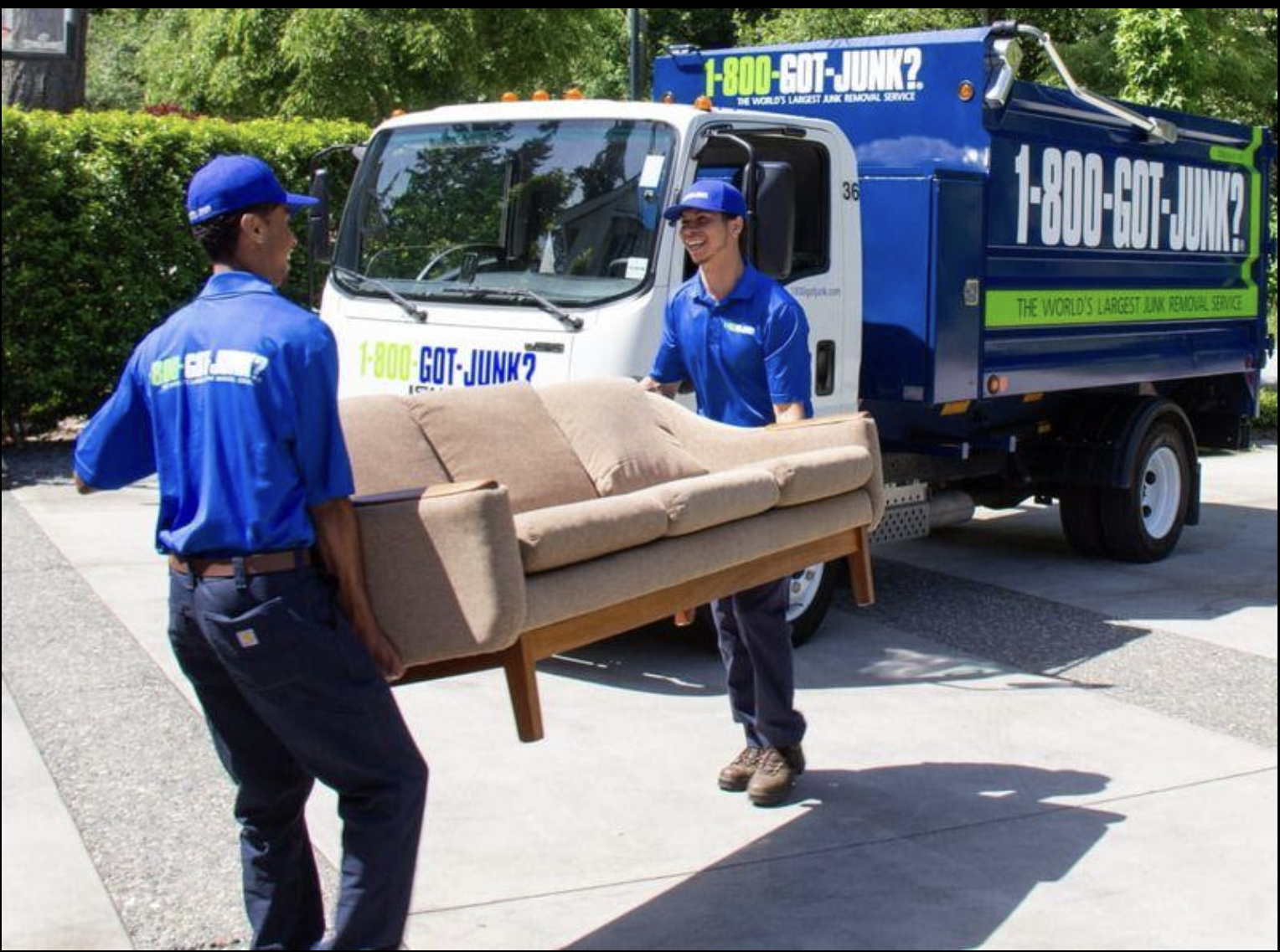
Clutter can accumulate gradually. A few boxes in the garage, an old sofa in the basement, unused appliances in the kitchen, or bags of belongings left over from a move can eventually turn into a much larger cleanup project.
Decluttering your home isn’t simply about creating more space. It’s also an opportunity to organize your belongings, donate useful items, recycle materials when possible, and make responsible decisions about things you no longer need.
Whether you’re preparing for a move, renovating your home, cleaning out a garage, or simply trying to create a more organized living environment, understanding how to sort and dispose of unwanted items can make the process considerably easier.
Start by Creating a Decluttering Plan
Before removing everything from a room, create a simple plan. Trying to tackle an entire house at once can quickly become overwhelming.
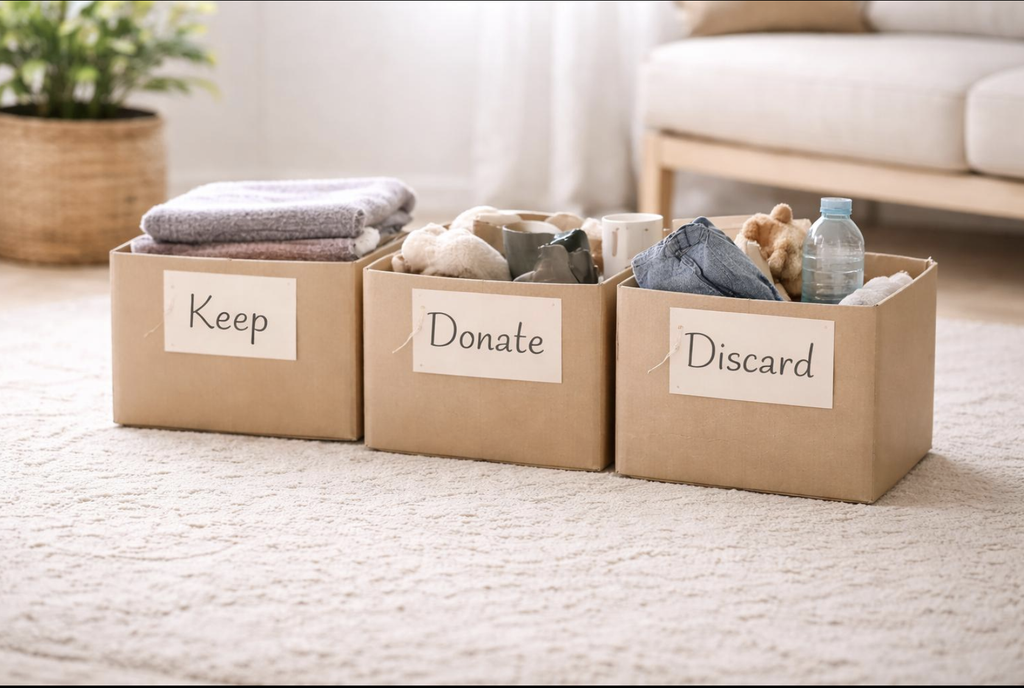
Start with one area, such as a bedroom, garage, basement, attic, or storage room. Divide unwanted belongings into several categories:
- Keep: Items you regularly use or genuinely need.
- Donate: Items that are still useful and could benefit someone else.
- Recycle: Materials that may be accepted by local recycling programs.
- Dispose: Items that cannot reasonably be reused, donated, or recycled.
- Unsure: Items you’re not ready to make a decision about.
Working through these categories systematically can help you make progress without feeling like you have to solve everything at once.
Ask Whether You Really Need an Item
One of the easiest ways to reduce clutter is to question whether each item still serves a purpose.
Ask yourself:
Have I used this recently?
If you haven’t used something for months or years, consider whether you realistically expect to use it again.
Would I buy this item today?
This can be particularly useful when sorting clothing, furniture, decorations, and household goods.
Is it worth the space it occupies?
Large objects can take up considerable space even when they’re rarely used. Old furniture, exercise equipment, mattresses, appliances, and other bulky items are common examples.
The goal isn’t to throw away everything you don’t use. Instead, thoughtful questions can help you distinguish between belongings that add value and things that simply occupy space.
Donate Items That Still Have Life Left in Them
Decluttering doesn’t necessarily mean sending everything to the landfill.
Furniture, clothing, household goods, electronics, and other usable possessions may be suitable for donation depending on their condition and the requirements of local organizations.
Before donating, check whether the organization accepts the particular item. Some charities have restrictions on mattresses, large appliances, upholstered furniture, damaged goods, or certain electronics.
If an item is broken, heavily damaged, stained, or otherwise unsuitable for donation, look into recycling or appropriate disposal options instead.
Learn What Can Be Recycled
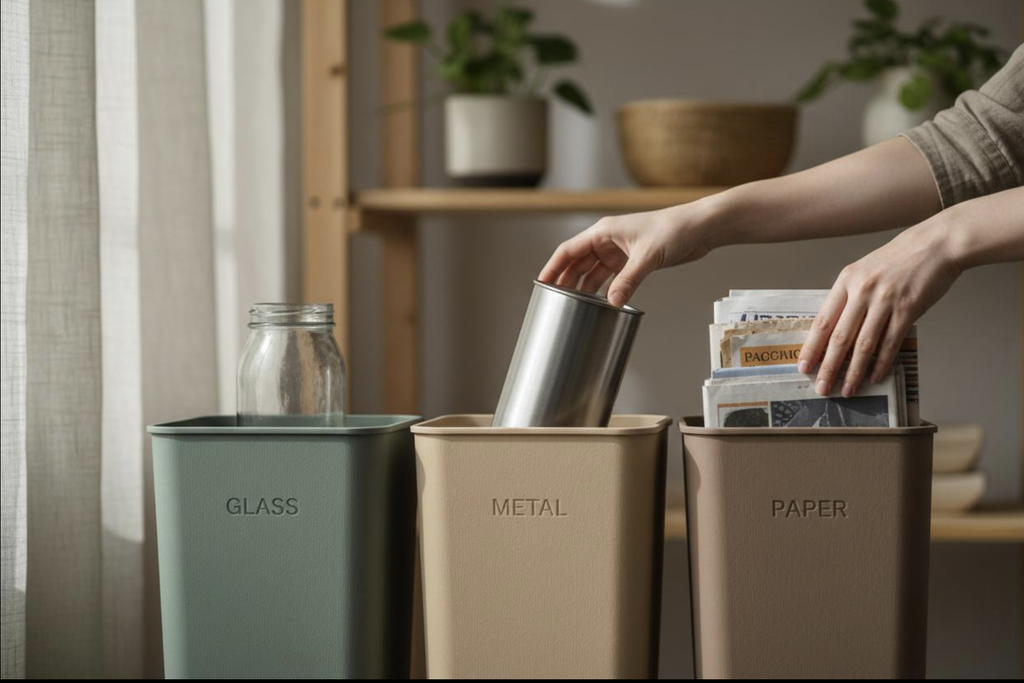
Recycling can be an important part of responsible decluttering, but not every unwanted item belongs in a household recycling bin.
Materials such as cardboard, paper, glass, and certain plastics may be accepted by local recycling programs. However, larger household items often require different handling.
Old appliances, electronics, mattresses, furniture, scrap materials, and other bulky goods may have specialized recycling or disposal requirements.
Because recycling rules vary by location, check with your local waste management authority or recycling facility before placing unusual items in your curbside recycling.
Be Careful With Specialty and Hazardous Items
Some items require more care than ordinary household junk.
Paint, chemicals, fuels, batteries, certain electronics, and other potentially hazardous materials may not be accepted through standard junk-removal or municipal waste services.
Always check local regulations and manufacturer guidance before disposing of these materials. Never mix unknown chemicals or place hazardous substances in ordinary garbage unless your local authority specifically says it is safe to do so.
Knowing what not to put in regular household waste is just as important as knowing what can be removed.
Don’t Forget About Large and Bulky Items
One of the biggest challenges of decluttering is dealing with items that are too large or heavy to move easily.
A garage cleanout, home renovation, move, or estate cleanout can produce furniture, appliances, mattresses, boxes, construction debris, and other bulky materials.
Moving these items yourself may require multiple people, a suitable vehicle, protective equipment, and considerable time.
This is where professional junk removal can provide a practical alternative.
How Professional Junk Removal Works
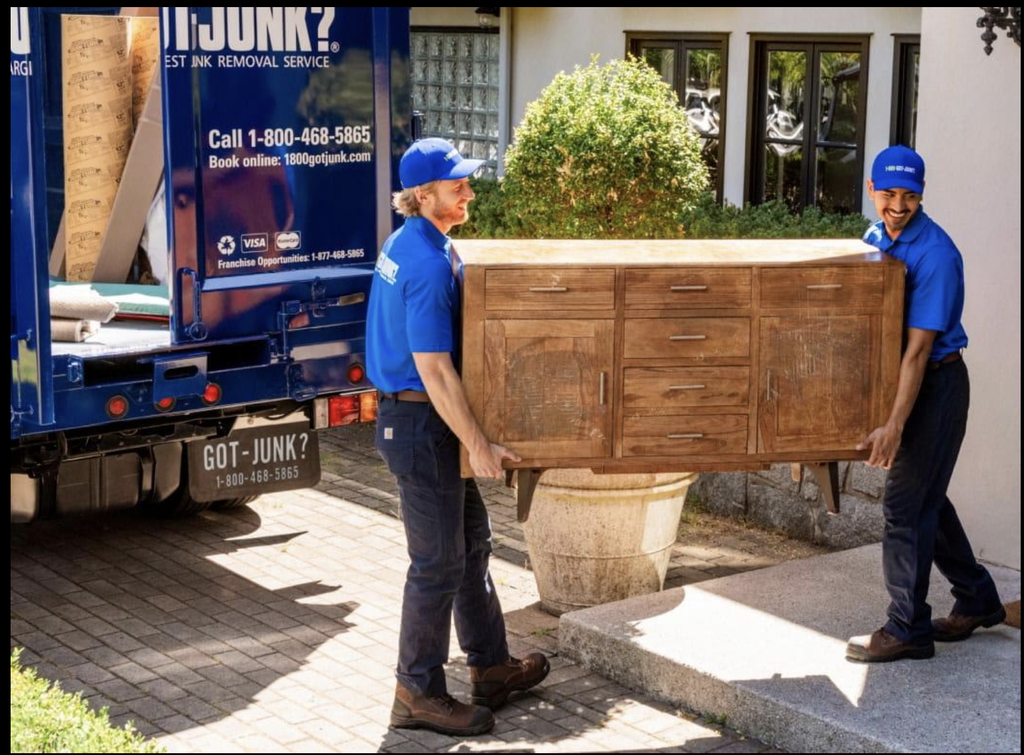
Professional junk-removal companies are designed to handle the physical work involved in clearing unwanted items.
For example, 1-800-GOT-JUNK? provides full-service junk removal for residential and business customers. Its crews handle the lifting, loading, and removal of eligible unwanted items, helping customers avoid having to transport bulky materials themselves.
The company serves a variety of cleanup situations, including home decluttering, moving, renovations, garage cleanouts, estate cleanouts, furniture removal, and business cleanouts.
Customers can schedule a pickup and have the removal team do the heavy lifting, rather than arranging a truck and attempting to move everything themselves.
What Happens to Junk After It’s Removed?
An important question to ask when choosing a junk-removal service is what happens after your belongings leave your property.
Responsible junk removal isn’t necessarily about taking everything directly to a landfill. Depending on the item, condition, and available facilities, unwanted belongings may have opportunities for reuse, donation, recycling, or other forms of responsible processing.
1-800-GOT-JUNK? says it looks for opportunities to donate and recycle items whenever possible, helping keep usable materials in circulation and divert suitable materials from disposal.
This is one reason it’s useful to think about decluttering as more than simply “getting rid of stuff.” The process can include finding new homes for usable belongings and identifying materials that can be recovered.
When Should You Consider Professional Junk Removal?
Professional help can be particularly useful when:
- You’re cleaning out a garage or basement.
- You’re preparing to move.
- You’re dealing with bulky furniture.
- You’re renovating a home.
- You’re clearing an estate.
- You’re cleaning out a business or office.
- You have more junk than your vehicle can transport.
- You don’t have the time or equipment to handle heavy lifting.
For a small amount of household waste, regular municipal collection may be sufficient. For a large cleanup involving multiple bulky items, a full-service removal company can simplify the process.
Make Your Next Decluttering Project Easier
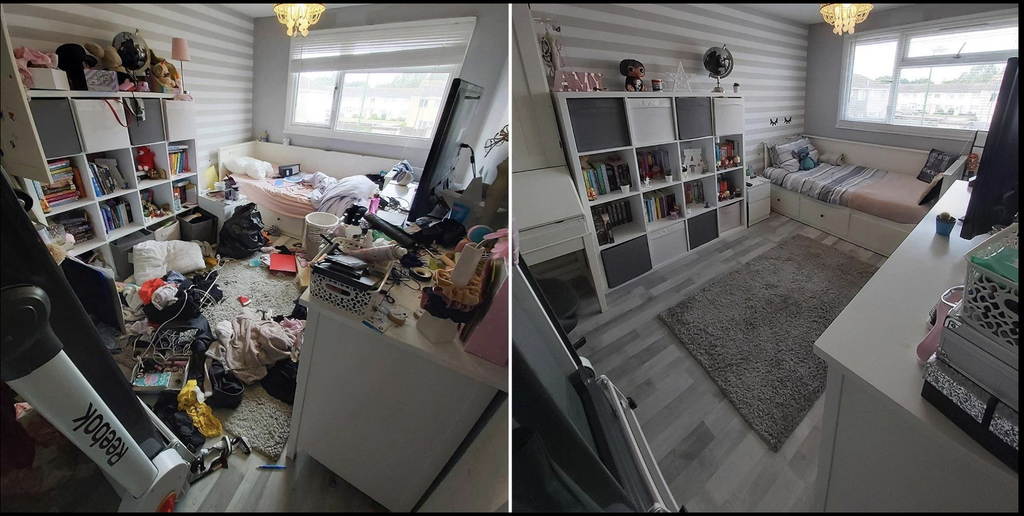
Decluttering doesn’t have to happen all at once. Start with one room, sort items into sensible categories, and look for opportunities to donate or recycle usable materials. For specialty items, always check local disposal requirements.
If your cleanup involves a significant amount of furniture, appliances, household junk, or other bulky items, professional help can save considerable time and effort.
1-800-GOT-JUNK? offers full-service junk removal designed to make the process easier, from lifting and loading to hauling unwanted items away. Whether you’re clearing out a garage, preparing for a move, renovating a home, or simply creating more space, professional junk removal can help turn a daunting cleanup into a more manageable project.
A cleaner home starts with a plan—and knowing what to do with the things you no longer need.